
Check Lotus MSRP and Past Records with VIN
Thinking about buying a used Lotus? Enter the VIN in the form below to instantly access specifications such as engine type, trim level, manufacturing year, and more, helping you verify the car before making a purchase.
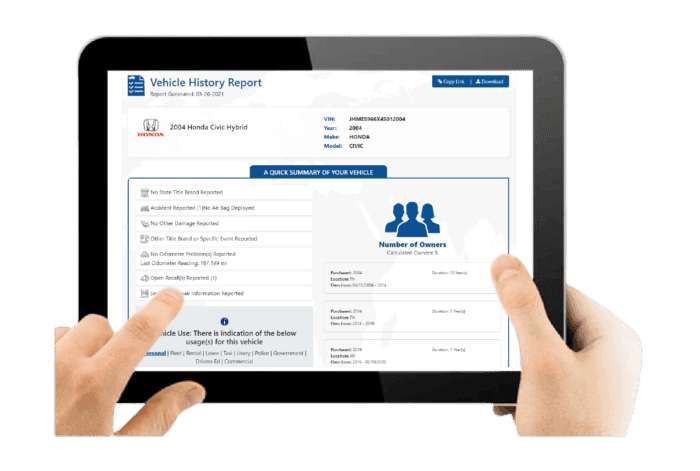
What is a Lotus VIN?
A Lotus Vehicle Identification Number (VIN) is a unique 17-character code assigned to every Lotus during production. No two vehicles share the same VIN, even if they have identical model years or trims.
This VIN acts like a fingerprint for the car. It contains key information such as the model, engine configuration, body type, production year, manufacturing plant, and the vehicle’s serial number. For used car buyers, checking the VIN helps confirm that the vehicle matches its advertised specifications.
What Information Does a Lotus VIN Show?
A decoded Lotus VIN can provide available information about the vehicle's original specifications.
Model Year
Identify the vehicle's model year and determine which Lotus generation and specification applies to the VIN.
Lotus Model
Identify the vehicle as an Emira, Emira V6, Evora, Exige, Elise, Esprit, Eletre, Emeya, Evija, Elan, Europa, or another supported Lotus model.
Engine or Powertrain
Identify the factory-installed engine or powertrain associated with the VIN. Depending on the Lotus generation, this can include four-cylinder, V6, V8, or electric configurations.
Transmission
Determine the original transmission specification, such as a manual, automatic, or dual-clutch configuration where available.
Drivetrain
Confirm if the Lotus sports cars are associated with rear-wheel drive or all-wheel-drive configurations.
Body Style
Identify the original body configuration, such as coupe, roadster, convertible, or SUV.
Country of Manufacture
Identify the recorded manufacturing origin when available.
Original MSRP
See the original manufacturer's suggested retail price when pricing information is available.
Estimated Market Value
Review available market-value information to help put the vehicle's original specifications into today's market context.
Where to Find the VIN on a Lotus?
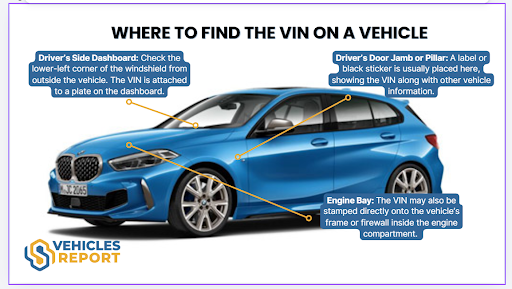
You can locate the VIN directly on the vehicle or in official ownership documents. When buying a used Lotus, always compare the VIN across multiple locations to ensure it matches.
On the Vehicle’s Body
Check these locations on the vehicle to find the VIN.
- Stamped on the chassis within the right-hand front wheel arch, typically visible when the wheels are turned to full lock
- On a placard in the front service compartment or luggage bay
- On the driver’s side door jamb label
- Visible through the windshield on the dashboard are
On Vehicle Documents
Other than vehicles, check out these documents to see the VIN:
- Insurance policy documents: Check the declaration page or billing statements sent by your insurer.
- Vehicle title: Find the official state-issued title certificate.
- Registration card: Check your active or past vehicle registration paperwork.
- Loan or purchase agreement: Review the bill of sale, finance contract, or lease agreement from the dealership or bank.
- Maintenance records: Check past service invoices, repair orders, or state inspection reports.
How to Decode the Lotus VIN?
A Lotus VIN can be used to look up its specifications. Be sure to use our service to get the complete specifications and records through the vehicle history report.
Find the VIN
Check on the driver’s side doorjamb or on the vehicle’s paperwork, like registration. Or ask the seller for the VIN.
Fill out the Form
Once you have the VIN, click on the form above, then write it down. Click the button to submit the form.
Get the Report
Check the preview page to see the specifications info. Then, proceed to payment to get the full vehicle history report.
Find the VIN
Check on the driver’s side doorjamb or on the vehicle’s paperwork, like registration. Or ask the seller for the VIN.
Fill out the Form
Once you have the VIN, click on the form above, then write it down. Click the button to submit the form.
Get the Report
Check the preview page to see the specifications info. Then, proceed to payment to get the full vehicle history report.
Who Needs to Lookup a Lotus VIN?
Whether buying, selling, insuring, or servicing a Lotus, decoding the VIN provides verified factory specifications and ownership background. Always decode the Lotus VIN to confirm the vehicle’s specifications, equipment, and historical records.
Buyers
Decoding a Lotus VIN number helps confirm the vehicle’s original configuration and ensures it matches the seller’s description.
Confirm Factory Specifications
Identifies the exact model, such as Elise, Exige, Evora, Emira, or Eletre, including engine type, transmission, trim level, drivetrain layout, and factory-installed performance packages.
Avoid Unexpected Issues
Review accident history, title status, mileage records, service history, recall campaigns, and possible lien information before completing the purchase of a used Lotus.
How to Read a Lotus VIN?
Reading a Lotus VIN can be tricky, as each VIN character represents different information about the vehicle. Generally, a VIN is classified into three categories: WMI, VDS, and VIS. Here’s how to read a VIN in accordance with its classification.
WMI (WMI (World Manufacturer Identifier))
1-3 characters: SCC
- S = Country of origin: United Kingdom
- C = Manufacturer: Lotus Cars
- C = Brand: Lotus.
VDS (VDS (Vehicle Descriptor Section))
4–9 characters: LMDSU
These characters describe the vehicle model and configuration.
- L = Vehicle line: Lotus Evora
- M = Body type: 2-door coupe
- D = Engine type: 3.5L V6
- S = Series/trim level
- U = Additional vehicle attributes defined by the manufacturer
- 0 = Check digit
VIS (VIS (Vehicle Identifier Section))
10–17 characters: CHA10804
- C = Model year: 2012
- H = Assembly plant: Hethel, Norfolk, United Kingdom
- A10804 = Sequential production number assigned during manufacturing
Classic Lotus VIN Decoding Supported
Not every Lotus can be decoded using the same VIN rules. Older models can use chassis numbers and identification formats that predate the standardized 17-character VIN system. Our decoders can decode many pre-1980s Lotus vehicles. Enter the classic VIN numbers into our form above, and we’ll pull the factory data.
Need More Than Lotus VIN Specs?
A Lotus vehicle history report highlights the car’s factory specifications, ownership background, and records that may influence performance, reliability, and long-term value. Always decode the Lotus VIN before completing any purchase or ownership transfer.
Vehicle Specifications
This section confirms how the Lotus was originally configured at the factory, including engine options, trim level, drivetrain layout, and performance equipment.
Core Vehicle Configuration
Identifies models such as Elise, Exige, Evora, Emira, or Eletre, including engine variants, manual or automatic transmissions, and rear-wheel-drive or electric drivetrain configurations, depending on the model.
Production and Pricing Details
Displays model year, manufacturing information from Lotus facilities in Hethel, and original MSRP to help verify factory-installed options, lightweight performance packages, and interior features.
Core Vehicle Configuration
Identifies models such as Elise, Exige, Evora, Emira, or Eletre, including engine variants, manual or automatic transmissions, and rear-wheel-drive or electric drivetrain configurations, depending on the model.
Production and Pricing Details
Displays model year, manufacturing information from Lotus facilities in Hethel, and original MSRP to help verify factory-installed options, lightweight performance packages, and interior features.
Damage Records
Damage records identify incidents that may affect structural integrity, chassis rigidity, or overall vehicle performance.
Collision and Structural Damage
Highlights accident-related repairs involving body panels, aluminum chassis components, suspension mounts, or structural sections that may affect handling and safety.
Fire and Environmental Damage
Shows flood, fire, hail, or severe environmental damage officially recorded in databases associated with the Lotus VIN.
Collision and Structural Damage
Highlights accident-related repairs involving body panels, aluminum chassis components, suspension mounts, or structural sections that may affect handling and safety.
Fire and Environmental Damage
Shows flood, fire, hail, or severe environmental damage officially recorded in databases associated with the Lotus VIN.
Accident Records
Accident history provides documented collision reports that may influence safety, drivability, and resale value.
Accident Dates and Locations
Lists when accidents occurred and where they were officially recorded in insurance claims or accident reporting systems.
Structural and Safety Indicators
Highlights repairs affecting airbags, braking systems, stability control, or other safety systems critical for high-performance vehicles.
Accident Dates and Locations
Lists when accidents occurred and where they were officially recorded in insurance claims or accident reporting systems.
Structural and Safety Indicators
Highlights repairs affecting airbags, braking systems, stability control, or other safety systems critical for high-performance vehicles.
Stolen Records
This check confirms whether the Lotus has ever been reported stolen in official vehicle databases.
Theft Status Verification
Checks national and international stolen vehicle reporting systems for records associated with the Lotus VIN.
Theft Record Details
Provides theft report dates, locations, and recovery status when available from law enforcement or insurance records.
Theft Status Verification
Checks national and international stolen vehicle reporting systems for records associated with the Lotus VIN.
Theft Record Details
Provides theft report dates, locations, and recovery status when available from law enforcement or insurance records.
Auction History
Auction history reveals whether the Lotus appeared in dealer auctions, lease returns, or specialty performance car auctions.
Auction Sale Records
Displays auction dates, locations, and recorded sale prices from previous auction transactions involving the Lotus.
Condition Reports and Photos
May include archived auction photos and condition summaries documenting exterior, interior, and mechanical condition.
Auction Sale Records
Displays auction dates, locations, and recorded sale prices from previous auction transactions involving the Lotus.
Condition Reports and Photos
May include archived auction photos and condition summaries documenting exterior, interior, and mechanical condition.
Sales History
Sales records track listing activity across dealerships, online marketplaces, and specialty performance car listings.
Listing and Sale Timeline
Shows when the Lotus was listed, sold, or relisted across dealer inventories or online platforms.
Resale Activity Patterns
Highlights repeated resale cycles that may indicate collector interest, short ownership periods, or frequent trading among enthusiasts.
Listing and Sale Timeline
Shows when the Lotus was listed, sold, or relisted across dealer inventories or online platforms.
Resale Activity Patterns
Highlights repeated resale cycles that may indicate collector interest, short ownership periods, or frequent trading among enthusiasts.
Service & Maintenance Records
Service history helps determine whether the Lotus received consistent maintenance to preserve performance and reliability.
Routine Service Documentation
Includes scheduled maintenance records such as oil changes, inspections, brake servicing, and routine visits to dealerships or certified performance shops.
Repair and Maintenance History
Shows documented repairs involving engines, transmissions, suspension systems, braking components, or performance upgrades.
Routine Service Documentation
Includes scheduled maintenance records such as oil changes, inspections, brake servicing, and routine visits to dealerships or certified performance shops.
Repair and Maintenance History
Shows documented repairs involving engines, transmissions, suspension systems, braking components, or performance upgrades.
Title Check
The title check confirms the vehicle’s legal status and identifies branding that may affect resale or registration.
Title Status Confirmation
Indicates whether the Lotus title is clean or carries a branded designation.
Branded Title Details
Flags salvage, rebuilt, flood-damaged, or lemon branding recorded in official title databases.
Title Status Confirmation
Indicates whether the Lotus title is clean or carries a branded designation.
Branded Title Details
Flags salvage, rebuilt, flood-damaged, or lemon branding recorded in official title databases.
Mileage History
Mileage records help verify vehicle usage and detect irregular odometer readings.
Recorded Odometer Entries
Displays historical mileage readings together with corresponding reporting dates from service visits, inspections, or registration records.
Rollback Detection Indicators
Helps identify unusual mileage patterns or suspected odometer rollback events across reporting databases.
Recorded Odometer Entries
Displays historical mileage readings together with corresponding reporting dates from service visits, inspections, or registration records.
Rollback Detection Indicators
Helps identify unusual mileage patterns or suspected odometer rollback events across reporting databases.
Lien or Loan Check
This section identifies financial claims that may affect the ownership transfer of the vehicle.
Active Lien Status
Confirms whether a lender currently holds a legal financial interest in the Lotus.
Outstanding Loan Details
Shows unpaid balances or obligations that must be settled before the vehicle ownership can be transferred.
Active Lien Status
Confirms whether a lender currently holds a legal financial interest in the Lotus.
Outstanding Loan Details
Shows unpaid balances or obligations that must be settled before the vehicle ownership can be transferred.
Ownership Records
Ownership history outlines how many individuals previously owned the Lotus.
Number of Previous Owners
Indicates the total number of recorded owners associated with the Lotus VIN. No private information, such as names or addresses, is shown.
Ownership Duration and Region
Shows the ownership period, year of purchase, and the region where the vehicle was registered.
Number of Previous Owners
Indicates the total number of recorded owners associated with the Lotus VIN. No private information, such as names or addresses, is shown.
Ownership Duration and Region
Shows the ownership period, year of purchase, and the region where the vehicle was registered.
Recall Information
Check the complete recall information for the vehicle in this section.
Recall Notice Details
Lists recall dates, affected components, and the reasons why the vehicle was recalled.
Repair Completion Status
Confirms whether recall-related repairs were completed and properly documented in service records.
Recall Notice Details
Lists recall dates, affected components, and the reasons why the vehicle was recalled.
Repair Completion Status
Confirms whether recall-related repairs were completed and properly documented in service records.
Unlock the Lotus Past Record With Our Tool
Buying or selling a Lotus without verifying its background can expose you to significant financial risk. Our Lotus VIN Decoder provides verified build specifications and comprehensive history records, helping you make the right decision.
Fast and Simple
Enter the Lotus VIN and submit the form to receive the full vehicle history report in about seconds. Quick, secure, and easy to use.
24/7 Customer Support
Have questions? Our support team is available around the clock to help you understand your Lotus vehicle history report or VIN information.
Auction Photos Included
If the Lotus was previously sold at auction, the report may include up to 10 authentic auction photos.
No Expiration Date
Access your Lotus vehicle history report anytime after purchase. There’s no expiration and no additional fees to view it again.
Unlimited Access to Decode
Decode both modern 17-character Lotus VINs and many classic Lotus VIN formats at no cost.
No Hidden Fees or Subscriptions
Use the free Lotus VIN Decoder without subscriptions or surprise charges.
Check the Lotus Specs and Records with VIN
Use our service to get the full information on Lotus specifications and past records.
Check Other Lotus Services
Looking for more information about a vehicle? Use our additional tools to review detailed history records, confirm the original factory specifications, and obtain a classic car window sticker.
Lotus Window Stickers
Access the vehicle’s original details, including standard features, optional packages, and more.
Lotus Recall Check
Review available manufacturer recall information associated with the vehicle.
License Plate Lookup
No VIN? Use the license plate number to pull up the report.
Decode the Lotus VIN Number Now
A VIN lookup provides a vehicle-specific reference for determining what your Lotus was originally built with. Use the free Lotus VIN Decoder to check available model, year, powertrain, transmission, drivetrain, factory equipment, manufacturing, MSRP, and market-value information.
FAQs About Lotus VIN Decoder
How can I perform a Lotus VIN number lookup?
A Lotus VIN number lookup can be done using an online VIN decoder. Enter the 17-character VIN into the form above. Access information such as the model, engine type, production year, manufacturing plant, and other original factory details.
How do you decode a Lotus VIN number?
To decode a Lotus VIN number, input the 17-character VIN into a reliable VIN decoding tool. The decoder interprets each section of the VIN to show the manufacturer, model series, engine configuration, model year, and assembly location.
What information does a Lotus VIN specification lookup provide?
A Lotus VIN specification lookup reveals the vehicle’s factory specifications, including engine type, transmission, trim level, body style, and production year. This information helps verify that the vehicle matches its original configuration.
What is a Lotus VIN search used for?
A Lotus VIN search helps identify important vehicle details and confirm its authenticity. It can provide manufacturing data, specifications, and sometimes historical records that are useful when buying, selling, or verifying a Lotus vehicle.
Can a Lotus VIN decoder show engine specs and build sheet information?
Yes. A Lotus VIN decoder can display engine specifications and other build details derived from the VIN. This may include engine size, fuel type, drivetrain configuration, and other production information linked to the vehicle.