
Check Any Vehicle for Liens and Loan Records
Buying a used car with an unpaid lien can create serious problems after the sale. A VIN lien check helps you see recorded lien information tied to a vehicle before you commit your money. Check now in seconds.
What Is a Vehicle Lien?
A vehicle lien is a legal claim against a vehicle, usually held by a bank, credit union, finance company, or another creditor. It commonly happens when a vehicle is financed and the lender has a financial interest in the car until the debt is paid.
If a lien is still active, it can affect the sale or transfer of the vehicle. That is why checking for liens before buying a used car is important. A VIN check for liens can help you find reported lien information linked to the vehicle and give you a clearer picture before you buy or sell.
Why Checking for Liens Matters
With millions of financed vehicles on the road, checking for liens can help you avoid costly surprises.
100M+
Americans with Outstanding Auto Loans
More than 100 million Americans have an outstanding auto loan.
$1.66T+
Outstanding U.S. Auto Debt
Americans currently owe more than $1.66 trillion in auto debt.
2.2M+
Auto Loans Originated
More than 2.2 million auto loans were originated in December 2025 alone.
How to Check a Vehicle for Liens
You do not need to spend hours searching through paperwork. With the vehicle's VIN, you can start a lien lookup by VIN and review the available records.
Enter the VIN
Find the vehicle's 17-character VIN and enter it into the search form. Make sure every letter and number is correct. No VIN? Search with a license plate number instead.
Run the VIN Search
Submit the VIN to start your VIN lien check. Our system searches all records for reported lien or loan information.
Review the Vehicle History Report
Review the report carefully for lien records, dates, locations, and available source information.
Enter the VIN
Find the vehicle's 17-character VIN and enter it into the search form. Make sure every letter and number is correct. No VIN? Search with a license plate number instead.
Run the VIN Search
Submit the VIN to start your VIN lien check. Our system searches all records for reported lien or loan information.
Review the Vehicle History Report
Review the report carefully for lien records, dates, locations, and available source information.
Need Help?
Having trouble running your search? If you believe you entered the VIN correctly and still have a problem, contact our support team for help.
Why Should You Check for a Lien Before Buying or Selling?
A lien check by VIN is a small step that can prevent a much bigger headache.
Buyers
Protect Your Money
Know about reported liens before handing over your payment or signing the final paperwork.
Identify Lienholders
With a lien check, you can identify available lienholder information and verify reported claims.
Avoid Title Problems
Find potential lien records before you start the ownership transfer and complete the vehicle purchase.
Buy With Confidence
Get more information about the vehicle before making your final decision and committing your money.
What Does a Vehicle Lien Search Show?
A lien lookup by VIN can provide useful information about recorded financial claims connected to a vehicle.
Here is what you can find in the report:
Number of Liens
See the number of lien records reported for the vehicle. Multiple records may require additional review, especially if the vehicle has changed states or ownership several times.
Event Date
See the dates when each lien event was recorded. This can help you understand when the lien was placed or recorded and compare the event with the vehicle's ownership and registration history.
Location
See the state or location associated with the lien record when available. Location information can be useful when a vehicle has previously been registered in another state.
Data Source
See the available source associated with the record. This acts as another point of reference when verifying the vehicle's status.
What a VIN Lien Check Cannot Confirm
A VIN lien check can show reported lien or loan records, but it cannot confirm everything about the vehicle’s current financial status.
Current Loan Balance
The report may show a lien without showing how much is currently owed.
Whether the Debt Was Paid
A reported lien does not necessarily mean the loan is still outstanding.
Lien Release Status
The report may not confirm whether the lienholder has formally released the lien.
Current Lien Status
A record may be outdated or still awaiting an official update.
Every Possible Claim
No report can guarantee that every lien or financial claim has been reported.
If a lien appears, verify its current status with the lienholder and the appropriate state authority before completing the purchase.
Use Case: See What Charlie Found Before Buying
Charlie wanted to buy a used 2015 Jeep Wrangler. The seller told him the vehicle was in good shape and ready for sale. Before handing over his money, Charlie decided to run the VIN through VehiclesReport.
He entered the VIN and found more than just lien information:
What Charlie Found
- ⚠️ Lien / Loan Records: 4 Records Found
- ⚠️ Title Brand / Branded Titles: 1 Record Found
- ⚠️ Accident Records: 1 Record Found
- ⚠️ Damage Records: 1 Record Found
- ⚠️ Auction / Sales Records: 1 Record Found
- ⚠️ Event Records: 1 Record Found
- ⚠️ Open Recalls: 1 Record Found
- ✅ Odometer Check: No Issues Found
- ✅ Theft Records: No Issues Found
- ✅ Service & Repair Records: No Issues Found
Result: Charlie now had important questions to ask the seller and was able to make a more informed buying decision.
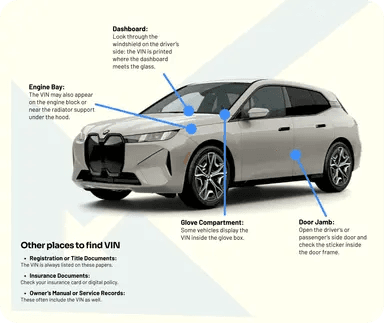
Can't Find the VIN? Here's Where to Look
The VIN, or Vehicle Identification Number, is the unique identifier assigned to a vehicle. Most modern vehicles have a 17-character VIN.
You can usually find it in several places:
- Driver's side dashboard: Look through the windshield from outside the vehicle.
- Driver's side door jamb: Check the label or plate around the door opening.
- Vehicle title: Look for the VIN on the title document.
- Registration: The VIN is usually printed on registration paperwork.
- Insurance card: Your insurance documents may also show the VIN.
- Owner's manual or service records: Some records include the vehicle's VIN.
As a Buyer, What Should You Do If a Car Has a Lien?
Finding a lien does not automatically mean you should walk away. The important thing is to understand the lien and make sure it is properly handled.
Ask the Seller
Ask the seller about the reported lien and its current status.
Verify the Lienholder
Use the available information to identify and contact the lender or lienholder.
Confirm the Payoff
Find out what is required to satisfy the outstanding debt.
Get a Lien Release
Ask for documentation showing that the lien has been released before completing the transaction.
Verify the Title
Confirm the title and lien status with the appropriate state authority before finalizing the purchase.
Ask the Seller
Ask the seller about the reported lien and its current status.
Verify the Lienholder
Use the available information to identify and contact the lender or lienholder.
Confirm the Payoff
Find out what is required to satisfy the outstanding debt.
Get a Lien Release
Ask for documentation showing that the lien has been released before completing the transaction.
Verify the Title
Confirm the title and lien status with the appropriate state authority before finalizing the purchase.
We Check Liens on ALL Vehicle Types
Our vehicle history tools cover a wide range of vehicles. Run a lien check by VIN on the vehicle you're considering and review available records.
Cars
Sedans, coupes, hatchbacks, and passenger vehicles.
SUVs
Compact crossovers through full-size sport utility vehicles.
Trucks
Pickup trucks and other light-duty trucks.
Motorcycles
Street bikes, cruisers, touring bikes, and more.
RVs, ATVs, and Motorhomes
Recreational vehicles and motorhomes with available records.
Classic Vehicles
Classic cars with 5 to 14 character VINs.
Need More Than Lien Information?
A lien search is only one part of checking a used vehicle. A complete vehicle history report can provide additional information that helps you understand the car before buying or selling it.
Vehicle Usage History
See recorded information that can help identify how the vehicle was used over time, including commercial or other reported usage.
Ownership and Registration History
Review recorded ownership events and registration locations to better understand the vehicle's history.
Accident and Damage Records
Find reported accident and damage events that may affect the vehicle's condition, value, or resale potential.
Mileage and Odometer Records
Compare recorded mileage entries over time and look for inconsistencies that could indicate a possible odometer issue.
Title Brand and Salvage Records
Check for reported title brands such as salvage, rebuilt, junk, flood, or other significant title designations.
Theft History
See available theft-related records and reported incidents associated with the vehicle.
Previous Sales Listings
Review past sales, listing information, and images if available to understand how the vehicle has been presented and sold in the past.
Auction Records and Photos
Access available auction history and real auction photos when records are present. This helps to verify the vehicle’s actual condition.
Vehicle Recalls
See past and active recalls linked to a vehicle and identify issues that may need attention.
Service and Maintenance Records
See available service records and maintenance events recorded for the vehicle.
Get More Information With Vehicles Report’s Tools
Looking for more than a lien search? Vehicles Report provides several tools to help you research a vehicle before buying, selling, or registering it.
Window Sticker Lookup
Find original factory information such as MSRP, equipment, trim, and specifications when available.
License Plate Lookup
Use a license plate to get access to available vehicle history information.
Recall Check
Check for reported recalls associated with the vehicle and stay informed about potential safety issues.
Classic VIN Lookup
Check history records of older vehicles with VIN formats that predate the standard 17-character system.
Why Choose Vehicles Report?
Go beyond a basic VIN lookup. Vehicles Report helps you check available lien, loan, ownership, title, and other records before buying or selling a vehicle.
Detailed History Reports
Check available title, ownership, lien, loan, accident, mileage, and other records.
Auction History & Photos
Review available auction records and previous vehicle photos.
Free VIN Decoder
Start with basic vehicle details before purchasing a full report.
Multiple Data Sources
Get available records compiled from multiple data sources.
Affordable Reports
Get detailed vehicle history reports without paying Carfax prices.
Built for Businesses
Use bulk options and unlimited VIN checks for higher-volume needs.
Find Liens Before They Become a Problem
A used car can look perfect on the outside and still have unresolved financial records. Run a lien check by VIN today and know more before you pay.
Frequently Asked Questions About Vehicle Liens
How to check if a VIN has a lien?
You can check if a VIN has a lien by entering the vehicle's VIN to check if a VIN has a lien and review any available lien or loan records in the vehicle history report. You can then verify the information with the appropriate state DMV or lienholder before completing the purchase.
How to find lien holder by VIN number?
To find a lienholder by VIN number, enter the VIN into a vehicle history or lien search tool and review the lien section of the report. If a lienholder is reported, use the available information to verify the claim and determine the appropriate next step. Note, however, that the vehicle history report doesn’t show personal information due to privacy protection laws.
Can I check a VIN for liens free?
No, you cannot get a free lien check. While some free tools do exist, they only provide vehicle specifications, like year, make, model, engine, etc. For a detailed report, you will need to make a payment.
Can I check the VIN for lien-free status?
Yes. A VIN search can help you identify reported liens or loan records associated with a vehicle. If the report shows no lien records, you can still confirm the vehicle's title and lien status with the appropriate state DMV or lienholder before completing the purchase.
Is a lien the same as an auto loan?
No, a lien is not the same as an auto loan. An auto loan is money borrowed to finance the purchase of a vehicle. A lien is the legal claim a lender or creditor places on the vehicle as security for that debt. Once the auto loan is fully paid, the lender should release the lien.
Can I buy a car that has a lien?
Yes, you can, but the lien should be properly handled before the transaction is completed. The seller may need to pay the debt and obtain a lien release, or the transaction may need to be structured so the lienholder is paid directly. Requirements vary by state.
Does a lien disappear automatically after a loan is paid?
Not necessarily. The debt may be paid, but the lien may still need to be formally released and the title or state record updated. Always obtain the proper lien-release documentation and confirm the title status before considering the vehicle clear.